
Additive Conservation
Advancing Land Stewardship Beyond the Conservation Easement
Additive Conservation creates new opportunities for Texas landowners to enhance stewardship while receiving compensation for the ecosystem services their lands provide—clean water, clean air, wildlife habitat, biodiversity, food and fiber, resilient landscapes, and open space.
It sits at the crossroads of land management, ecology, and economics, connecting voluntary conservation with emerging markets that reward sustainability.

Program Pillars
1
Ecosystem Services
Carbon markets: avoided conversion, soil carbon, forestry
Water markets: mitigation banking, volumetric water credits
2
Conservation Support and Stewardship
Technical assistance, workshops, and cost-share access
Key focus: habitat restoration, best management practices, regenerative grazing
3
Partnership Programs
Consumer discounts for conservation participants
Value-added branding for products grown on conserved lands
4
Early adoption of innovative management strategies and ecosystem service opportunities
Collaboration with the new Texas Land Policy & Innovation Center and other research institutions
Innovation
Additive Conservation in Action
A growing portfolio of projects are redefining what’s possible on conserved private lands. From carbon to water, wildlife and stewardship. Here are a few examples of the myriad of opportunities:
Avoided Grassland Conversion
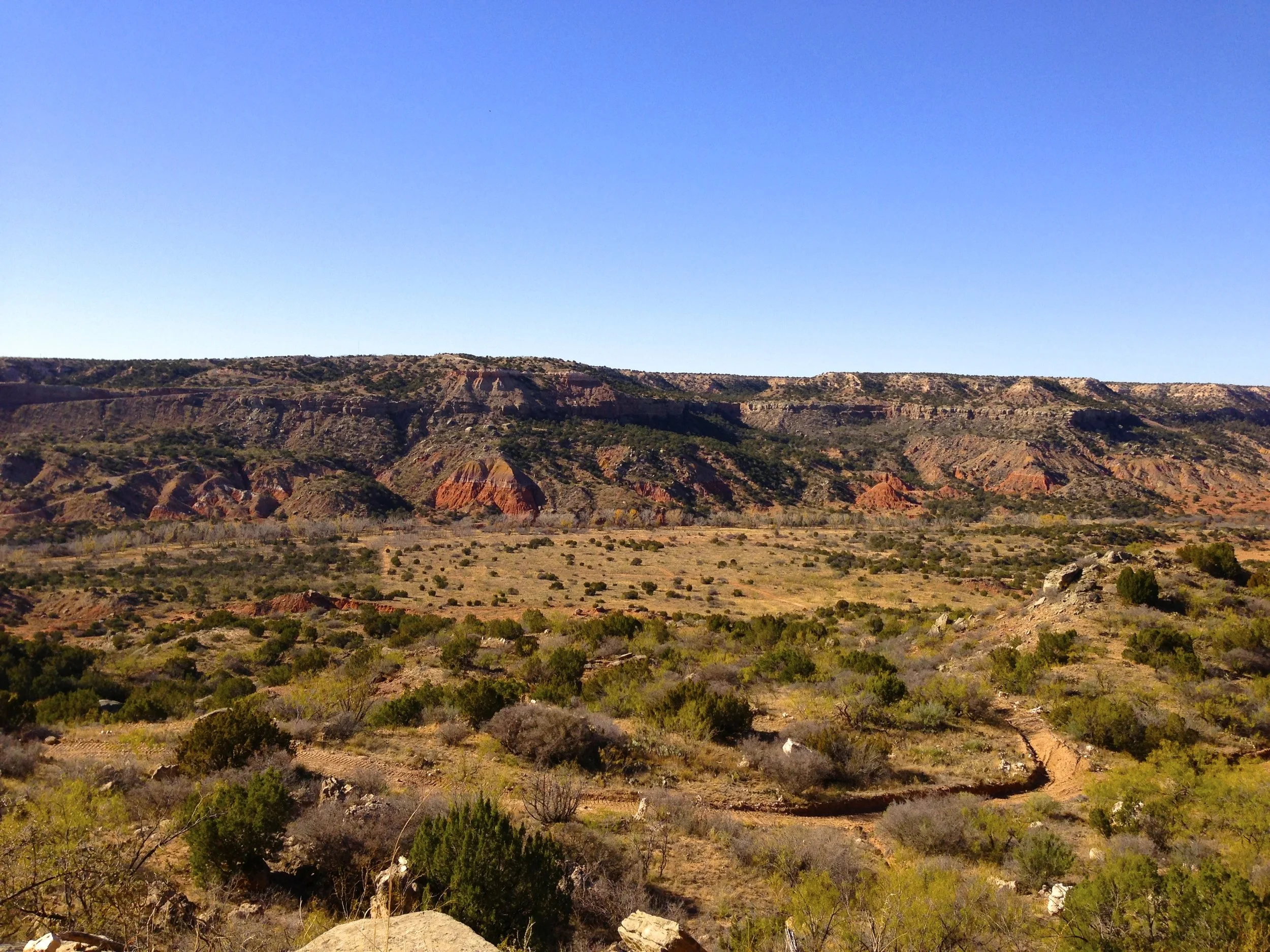
Rancho Palo Duro, Prairie Dog River Ranch, & Rojo Rio Ranch
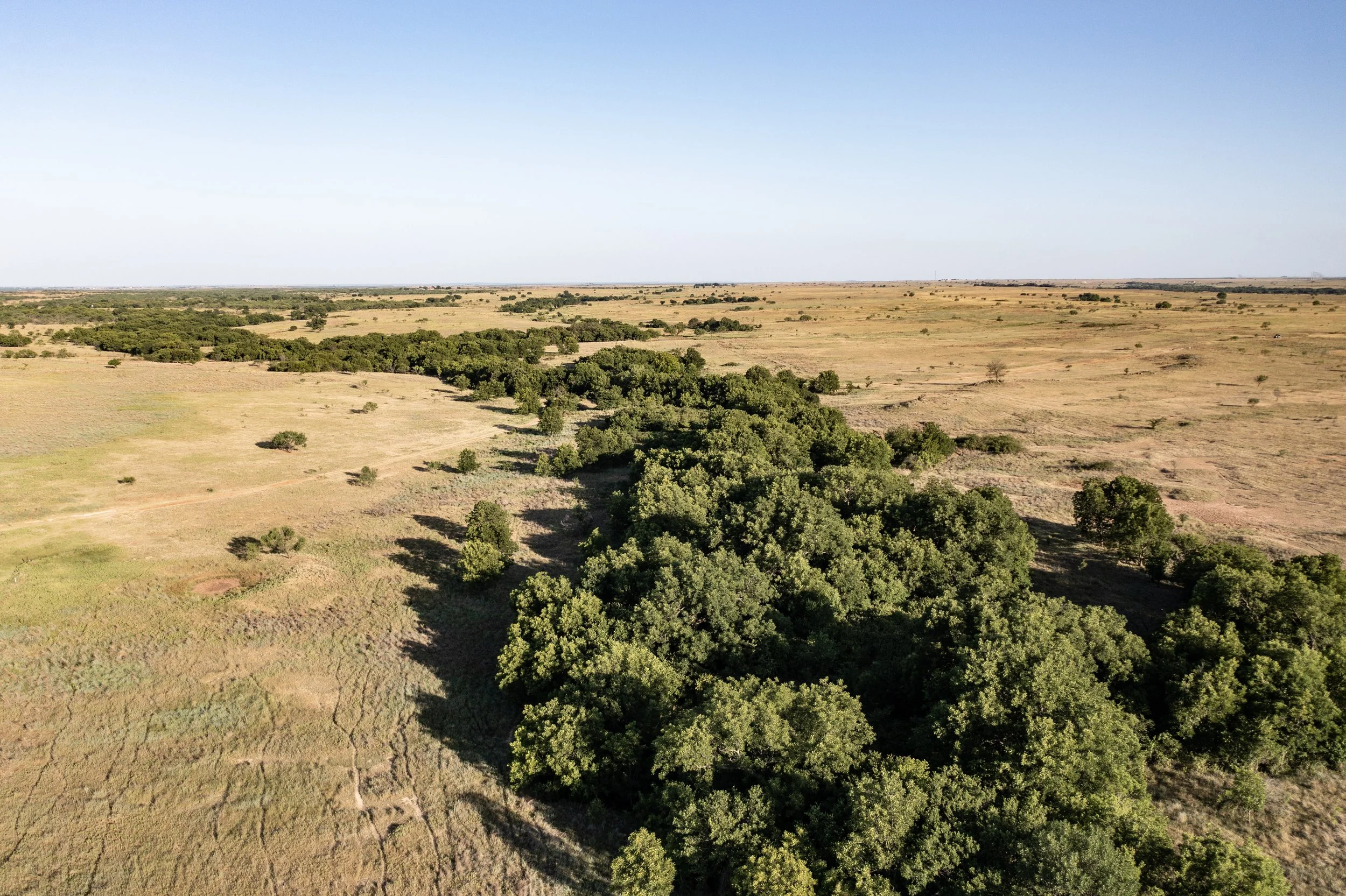
Avoided Grassland Conversion credits are issued for protecting native grasslands from being converted to cropland, representing the associated reduction in greenhouse gas emissions. AgriCapture will generate and sell third-party verified carbon credits, providing landowners with a financial incentive for their conservation efforts.
Carbon Sequestration: Regenerative Ag
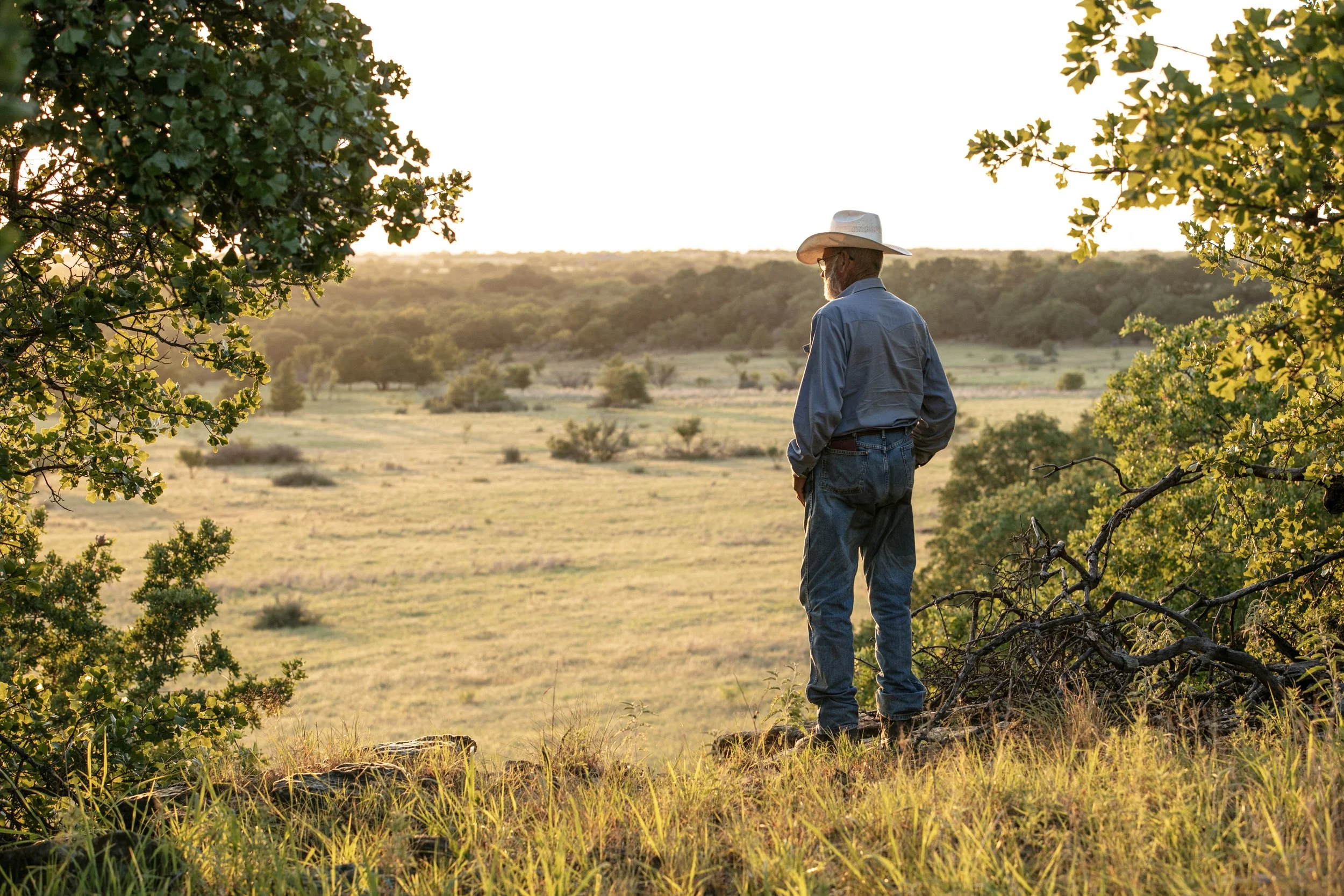
Birdwell Clark Ranch
Holistically managed grazing to mimic natural herd movement, improving soil health, vegetation, and biodiversity. With deep-rooted native grasses capture and store carbon; Grassroots Carbon verifies results through soil and vegetation sampling. Verified carbon credits generate annual income, supporting ranch profitability while enhancing grassland resilience, biodiversity, and beef production.
Resources for Landowners
Explore the resources below to learn more about different facets of the growing realm of ecosystem services markets.
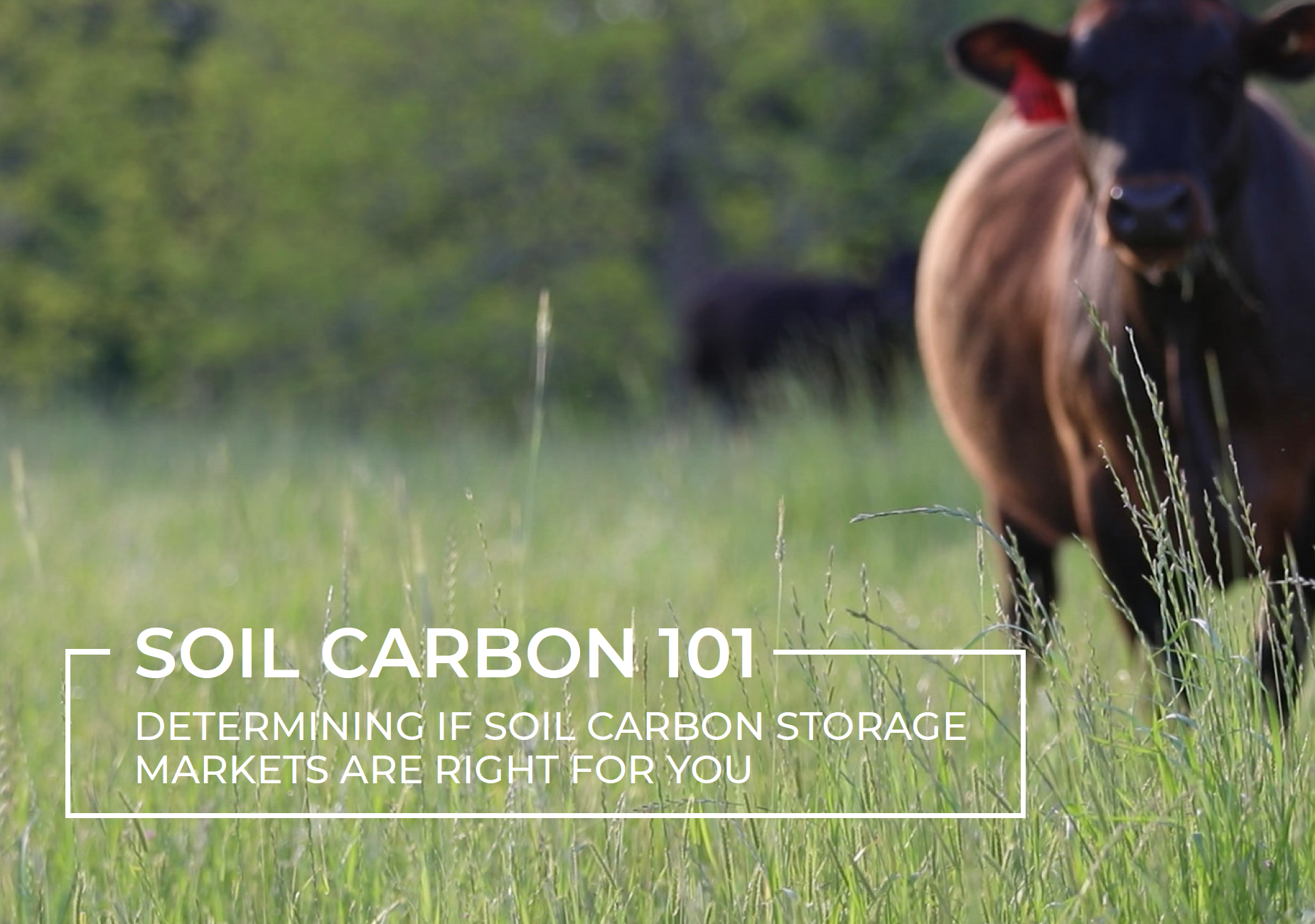
Explore candid conversations with landowners, experts, and partners who are advancing additive conservation across Texas. Beyond the Fence Line shares practical insights, real experiences, and stories from the Texans who know the land best—revealing how additive conservation principles are applied in real-world settings and why they matter for the long-term resilience of our state.

-
Navigating the intricacies of carbon credits and other ecosystem services can be bewildering. Fortunately, there are experts at hand including Texas Attorney Anson Howard. Listen in to learn about the questions you should be asking to determine if carbon markets are right for you.
-
TALT is focused on helping landowners make the most of ecosystem services by providing resources to help them understand the topic and explore what might work for them. In our most recent podcast, TALT CEO Chad Ellis is joined by Terry Anderson and Greg Simons to discuss new and innovative strategies that are emerging to help landowners make the most out of their working lands.
-
Debbie Reed is the Executive Director of the Ecosystem Services Market Consortium and is an expert on the topic.
-
In this episode of Beyond the Fence Line, host Chad Ellis speaks with James Clement and Ryan Dierking from Earth Optics about how ranchers can turn data into decisions—and decisions into dollars. The trio discusses emerging carbon markets, the value of soil health metrics, and how landowners can get paid for stewarding open space, biodiversity, and clean water. Whether you’re operating on acres in Missouri or in Texas, this conversation will equip you with practical tools to engage in the future of sustainable agriculture.
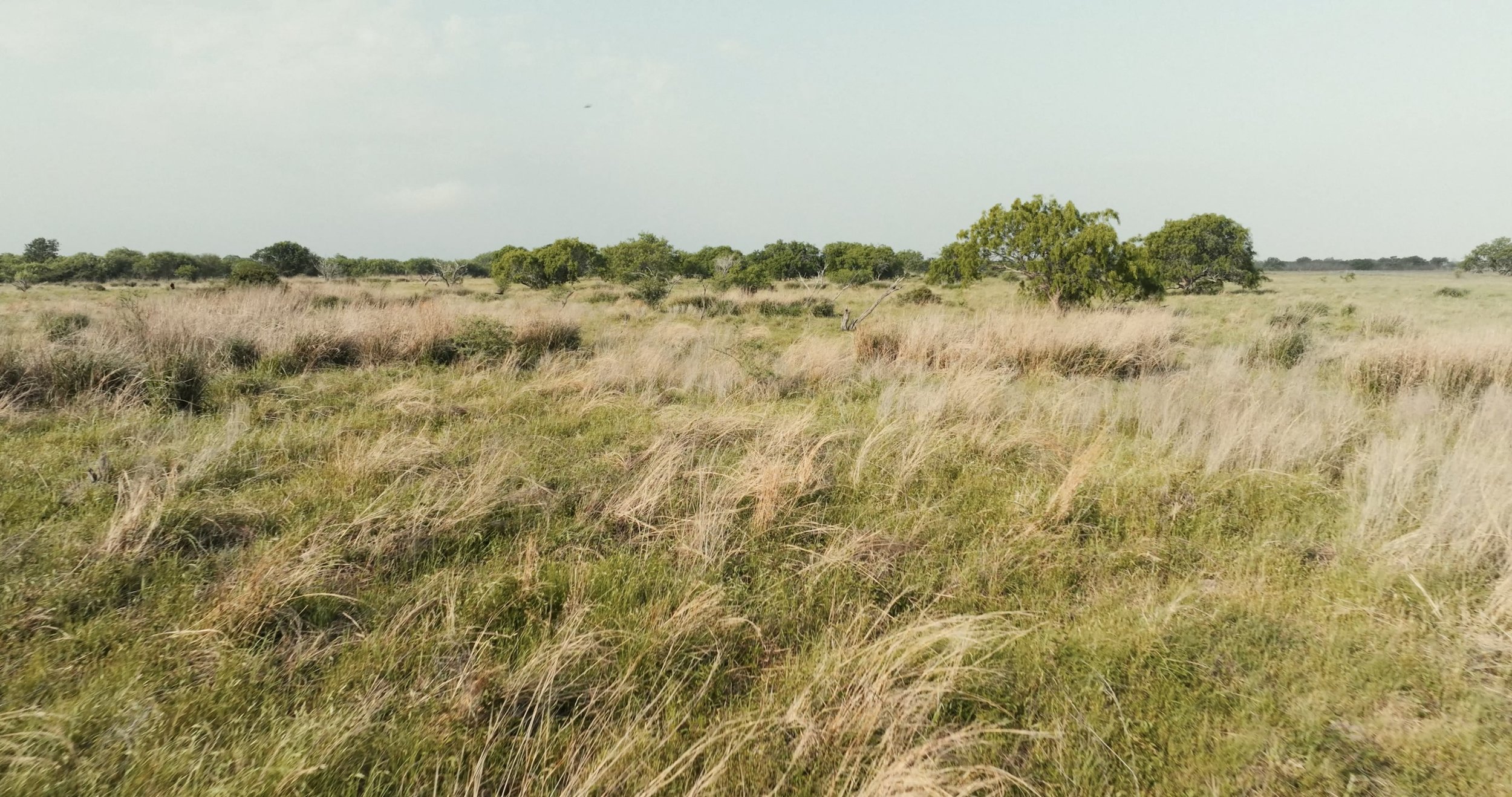
The Texas Agricultural Land Trust (TALT) serves as a trusted partner to landowners as conservation markets rapidly evolve. Through our Additive Conservation work, we help keep working lands intact and profitable while ensuring that land stewards receive meaningful support and compensation for the ecological benefits they provide.
Below are a few ways we accomplish this mission.
TALT’s Role in Strengthening Texas Working Lands

Providing Technical Guidance and Market Access
We help landowners understand emerging ecosystem service markets, pilot innovative tools and practices, and navigate opportunities that can enhance both land health and profitability.
Identifying and Valuing Ecosystem Services
In partnership with Texas A&M Natural Resource Institute, Texas A&M AgriLife Extension, and the Natural Resources Conservation Service, we develop resources that clarify and quantify the ecological value produced by Texas farms and ranches.

Investing in Direct Landowner Support
From one-on-one guidance to program development, TALT ensures producers have a knowledgeable ally in their corner. Our Director of Additive Conservation leads this effort, supporting landowners interested in exploring or entering ecosystem service market contracts.

Fostering Collaboration Among Stakeholders
We bring diverse voices together through initiatives like the Texas Working Lands Innovation Summit, a space where producers, agencies, researchers, and industry partners openly exchange ideas and advance conservation solutions.

Advocating for Working Lands
Through conferences, events, interviews, articles, and podcasts, TALT champions the ecosystem service benefits that farms and ranches provide—ensuring they are recognized, respected, and rewarded.

Together, these efforts strengthen both the land and the livelihoods of the Texans who care for it.

Have questions about Additive Conservation and your land?
Reach out to our Directive of Additive Conservation, Andy James, with questions or inquiries at ajames@txaglandtrust.org or call our office at (210)-826-0074.