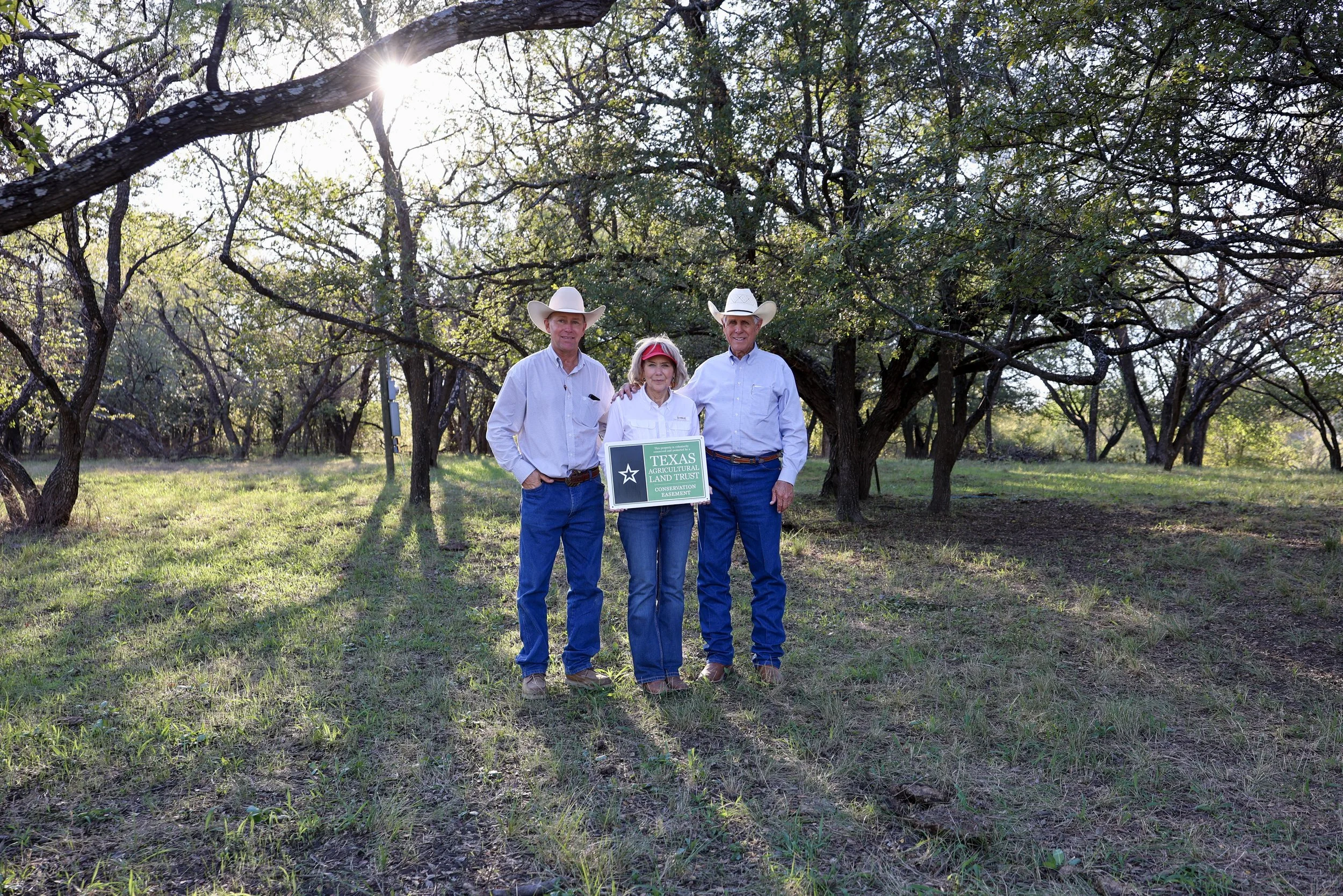

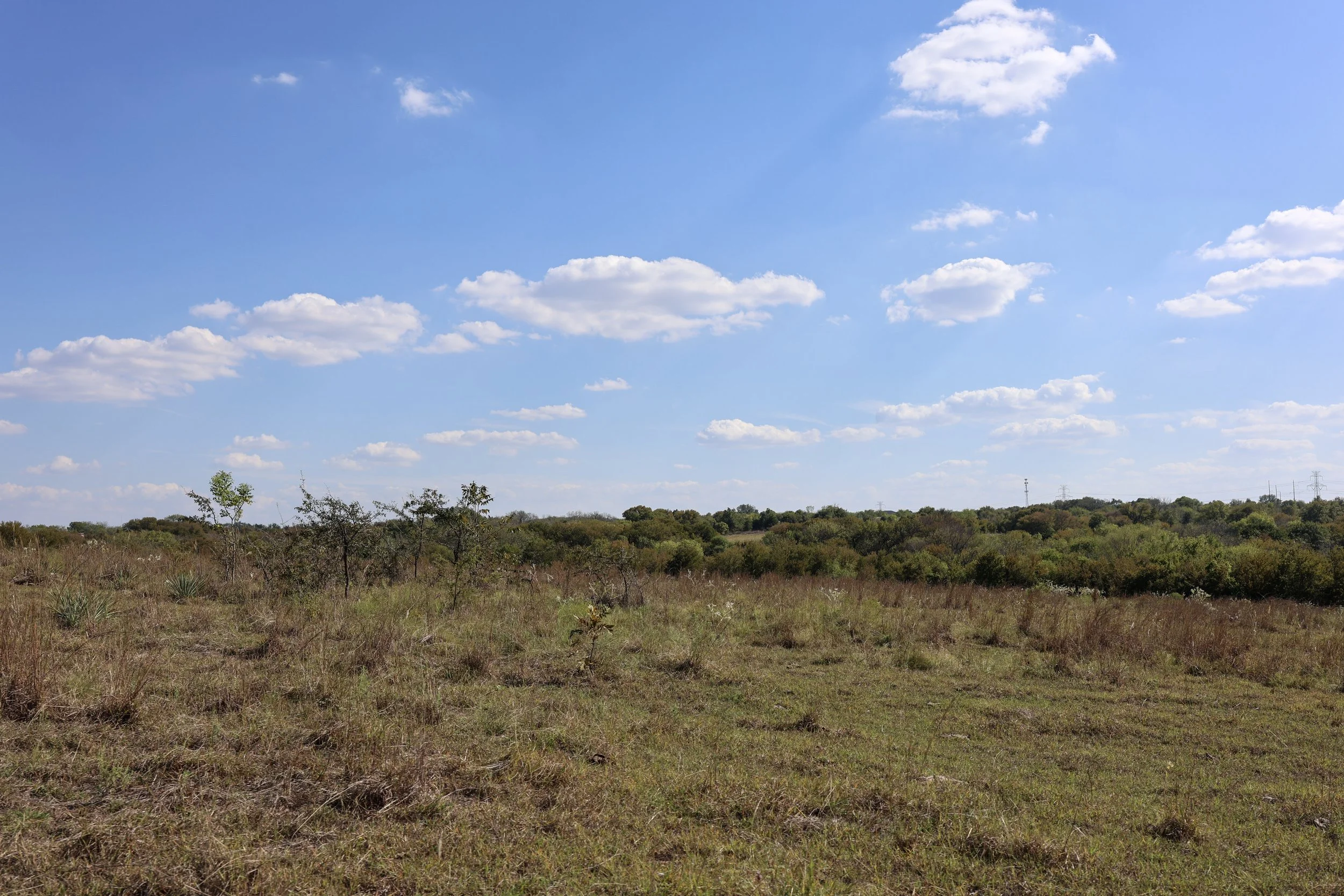
Beginning in 1976, the Gary Price family “built a ranch where one wasn’t” in the heart of Texas’ Blackland Prairie.
“Starting with 272 acres, we never imagined where it would go,” said Gary, who working alongside his wife Sue and their son Gary Lee, amassed 16 contiguous properties to create the 77 Ranch near Blooming Grove in Navarro County. “Each property has a unique story of ownership and how circumstances evolved to allow us to purchase it. We bought every acre we own and that makes our ranch and family’s story distinctive.”
Thanks to a conservation easement held by the Texas Agricultural Land Trust, 1,450 of the almost 3000-acre ranch will be kept undeveloped and intact for perpetuity, a living testament to their sacrifice and stewardship. Funding from USDA/NRCS to purchase the development rights made the conservation easement a practical fiscal reality.
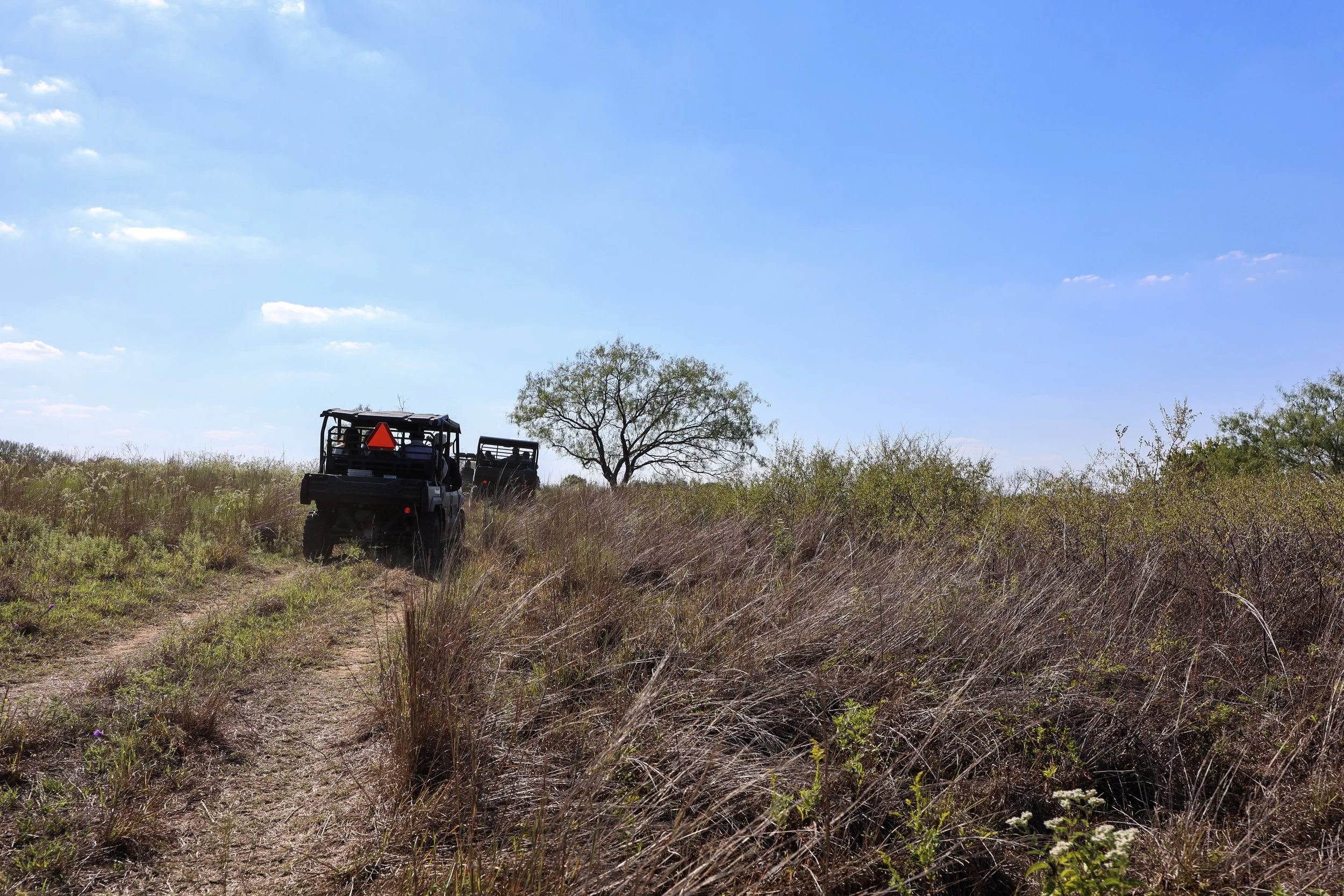
“We didn’t get into this with the idea that we’d put land together to eventually sell it, so we’d already given up the development rights,” said Gary, noting that nearby Waxahachie is booming and the population of 50,000 is expected to double in five years, that the Metroplex and its 7.2 million residents are within 50 miles and moving closer every day, and that so far 21 renewable energy companies have approached the family with development offers. “The conservation easement helps stave off the development that is booming around us—and gives us a means to improve what we have and possibly increase our holdings to reclaim more of the prairie.”
Because of its productivity and flat topography, the Blackland Prairie is one of the state’s most rare ecosystems. The Texas Parks and Wildlife Department estimates that 99.9 percent of the Blackland Prairie has been lost to other land uses. Even when the timing wasn’t ideal, the family would seize the opportunity to purchase adjoining acreage if it arose.
“It sounds odd, but we looked at it from a defensive perspective,” Gary said. “If we didn’t manage to buy it, we had no control over who our neighbors might be and what impact they might have on our lifestyle and our business.”
In the beginning, Gary worked full-time for a veterinary pharmaceutical company ranching on the side until 1987 when he turned his attention to “make or break” ranching. Sue taught third grade at Blooming Grove ISD for 28 years.
Gary Lee, who grew up working on the ranch, remembers straightening nails to re-use because “waste not want not” wasn’t just an adage but a way of life. After graduation from Texas A&M, he ventured to West Texas to manage ranches.
At age 26, he assumed his own land payments when the family had the opportunity to buy a tract of land that would double their acreage; he later purchased additional tracts to add to their holdings. In early 2025, Gary Lee came back to the family ranch once again working alongside his parents and preparing eventually to take on the full mantle of leadership.
The family’s shared commitment to pinching pennies was vital because bankers require payment regardless of weather or cattle markets. Because of this reality, the family’s stewardship, recognized by such awards as Leopold Conservation Award (2007), NCBA National Environmental Stewardship Award (2012) and the McDonald’s Flagship Farmer (2018), came from a place of responsibility, curiosity, humility—and necessity.
“Since we bought every acre, we had to manage for profit,” Gary said.
Profitability came through using cows in combination with adaptive grazing to restore the rich, diverse native prairie that had been broken out for row crop farming at the turn of the 20th Century. Nurtrient-hungry cotton, the regional crop of choice, drained much of the land.
Each of the 16 properties was in a different state of depletion. Only one, the North Pasture, one of the earliest acquisitions, had never been touched by a plow and served as a seed bank and the model for restoration. It was home to the Big Four grasses—Big Bluestem, Little Bluestem, Indiangrass and Switchgrass.
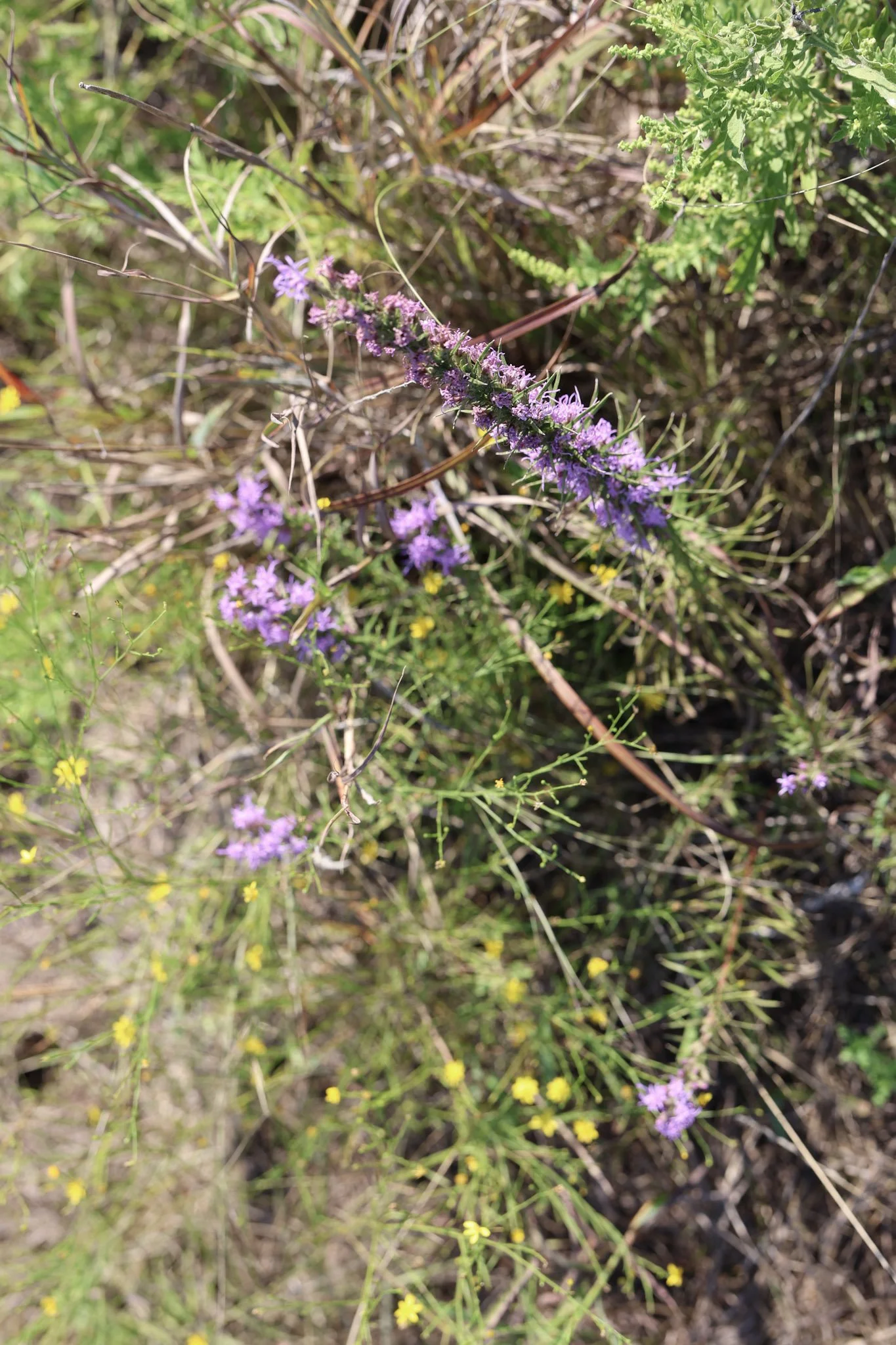
With careful observation, patience and calibrated stocking, the land responded, eventually reducing the need for inputs like fertilizer, hay and feed. Today, hay, considered a necessity on most operations in North Central Texas, is only fed during exceptionally bad winter storms and protein needs are met with native clovers, vetches and other legumes.
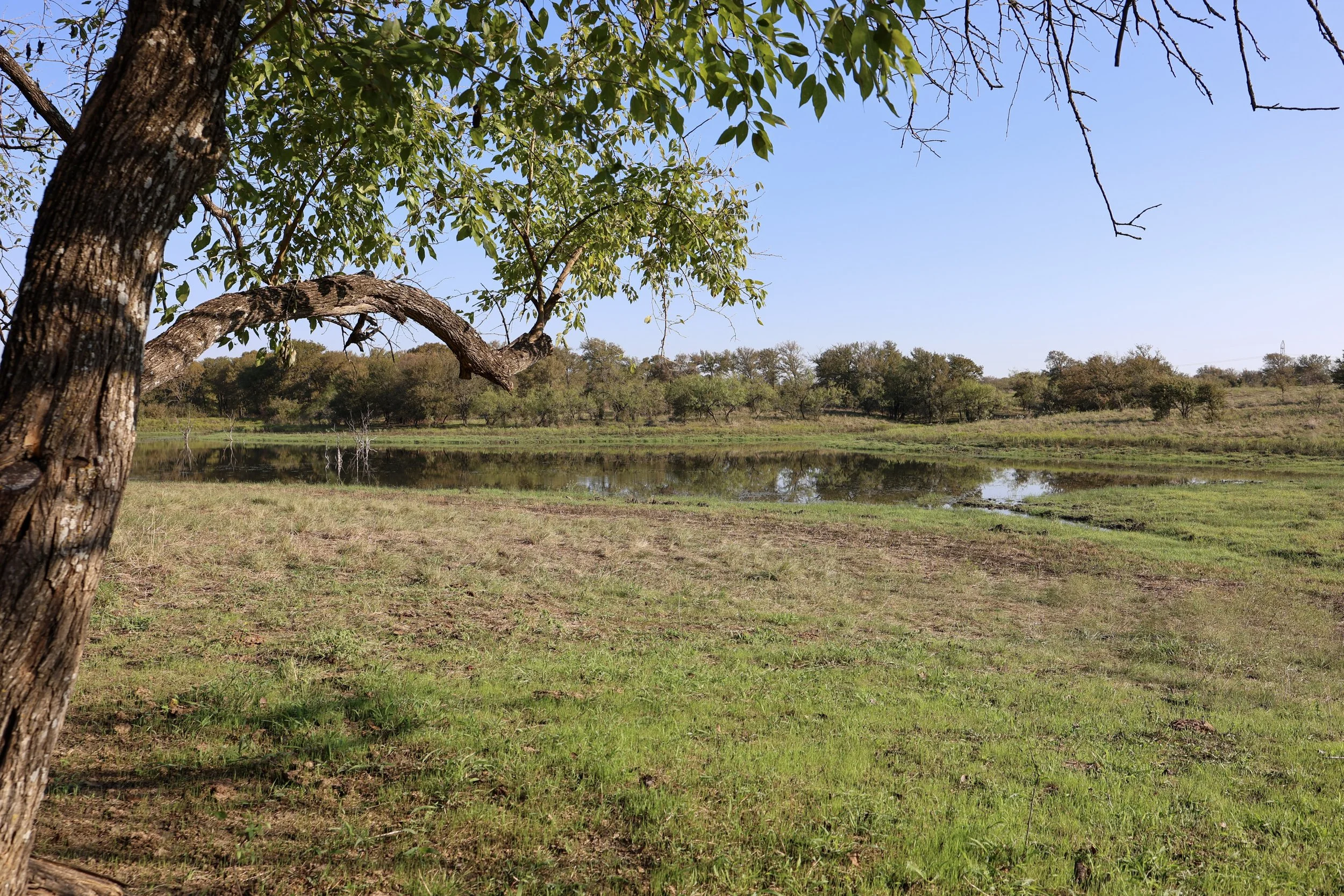
Just as the family managed the vegetation, they managed the water. Their goal was capturing every raindrop that fell, not only to sustain the vegetation, but to prevent erosion and nurture the soil microbiome. Every chemical reaction including those between plants and soil microorganisms must take place in the presence of water.
On one property, the family partnered with Ducks Unlimited to build a wetland. Working together, the partners converted a former field that was plagued by erosion into a 40-acre wetland that slowed and filtered water moving toward the creek. The efforts created an exceptional wetland habitat for waterfowl, which allowed income-generating hunting leases.
Conservation progress begat progress. More deep-rooted plants captured more water and sequestered more carbon. More stored water sustained plants during drought and replenished aquifers. Healthier, moist soil, encouraged more plant diversity, which encouraged more animal diversity by providing better nutrition for livestock and habitat for wildlife.
Now, the ranch is home to white-tailed deer, quail, waterfowl as well as a host of grassland birds whose populations are declining across the country. Over time, as the natural cycles reclaim their rhythm, the landscape becomes more vibrant and robust, generating clean air, water, food and wildlife habitat that sustains human bodies and souls.
“We’re all in it together, even the people who don’t live our lifestyle,” Gary said. “We need them and they need us, whether they know it or not.”
To help people outside of ranching understand land stewardship, the Prices have an open-gate policy. Through the years, they’ve hosted fellow producers and school children. They’ve worked in concert with conservation organizations such as the Audubon Society and Ducks Unlimited as well as agencies ranging from the Texas Parks and Wildlife Department and USDA Natural Resources Conservation Service and corporations such as McDonald’s. Scientists from universities around the state have tested hypotheses and gathered data in this real-world laboratory.
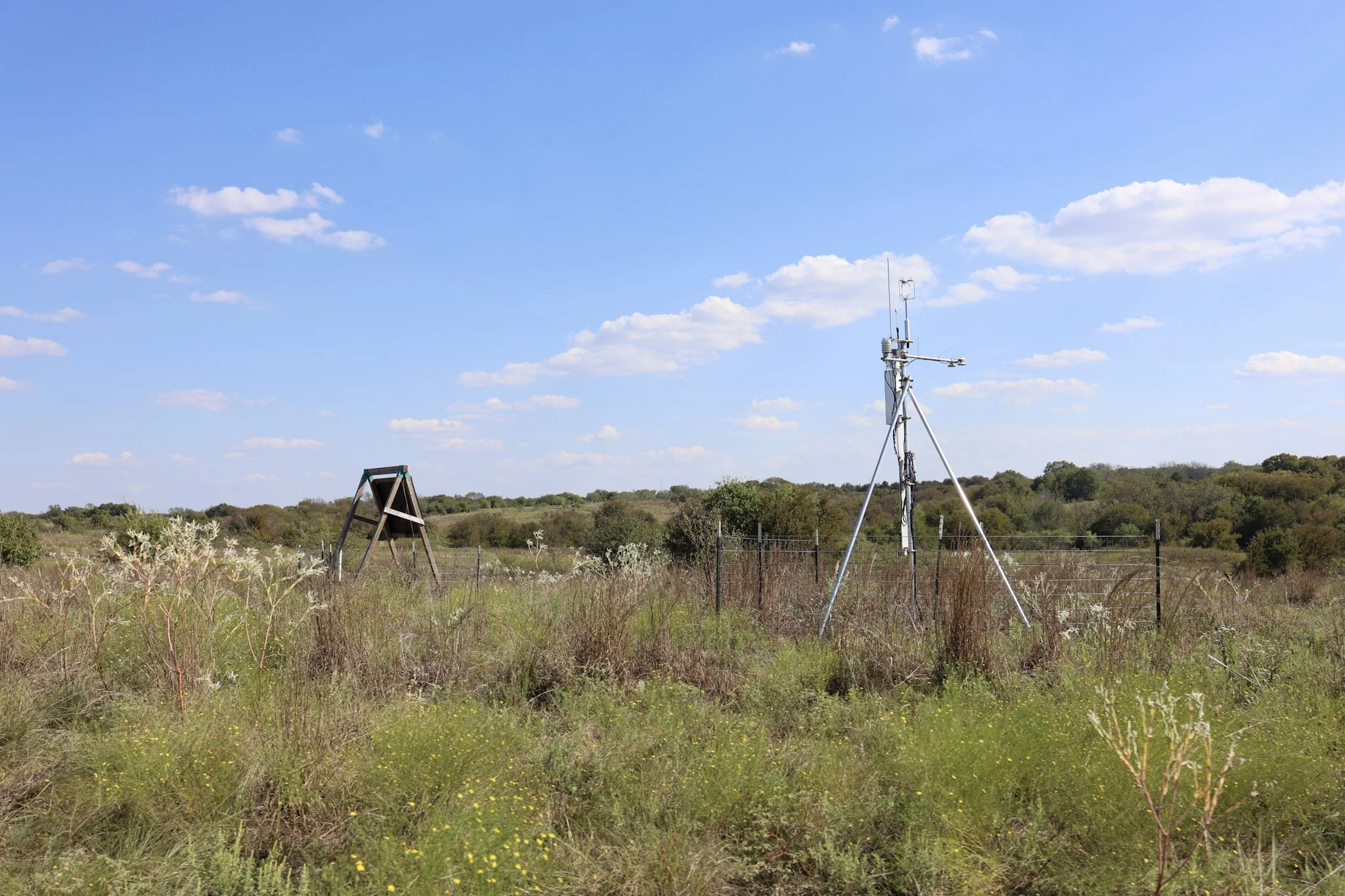
Currently, the family is participating in the 3M Project, formally known as Metrics, Management, and Monitoring: An Investigation of Pasture and Rangeland Soil Health and its Drivers, a five-year, $19 million multi-institution research initiative co-led by the Noble Research Institute alongside partners like the Texas A&M Center for Grazinglands and Ranch Management. It evaluates how grazing management strategies impact soil health, ecosystem function and ranch economics.
“We’re proud to be constant learners,” Gary said. “Knowledge is like an old cow who is trying to get to the brush. You want to get ahead of her, but she stays just out of reach because there’s just so much more to learn.”
He continued, “The land has been a great teacher—and we want to pass the opportunity to be humble students to the next generation.”
And for his part, Gary Lee is grateful to help write the next chapters in the ranch’s ongoing story.
He said, “I don’t know how many boys want to do exactly what their dad does, but that’s all I’ve ever wanted—and now I’m blessed to have the chance. From here on out, every drop of sweat that pours out of me will soak into this place.
“I get to continue making it better, not just for our family, but for all the Texans who depend on working lands like ours.”