A Legacy Nearly As Old As Texas
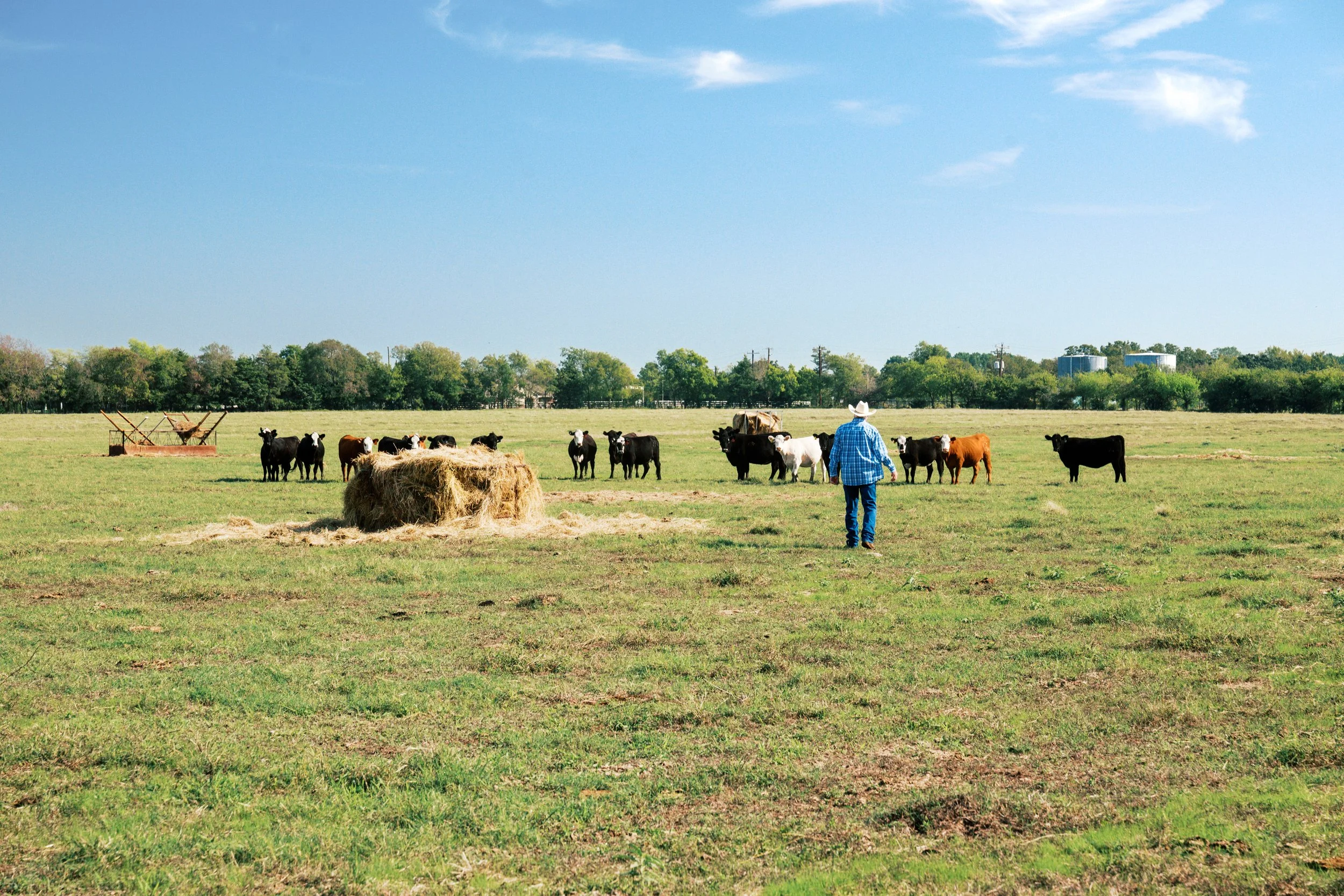
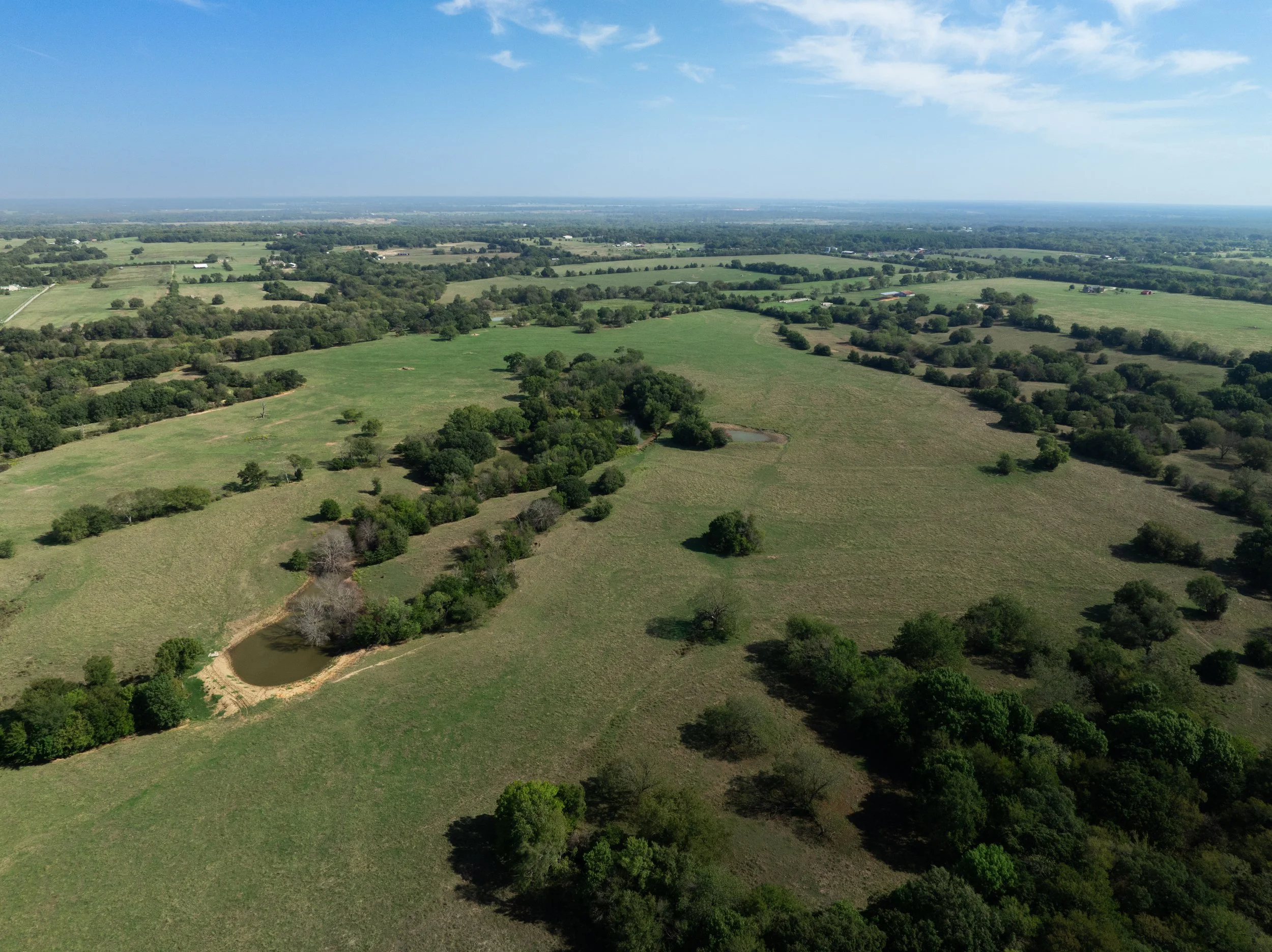
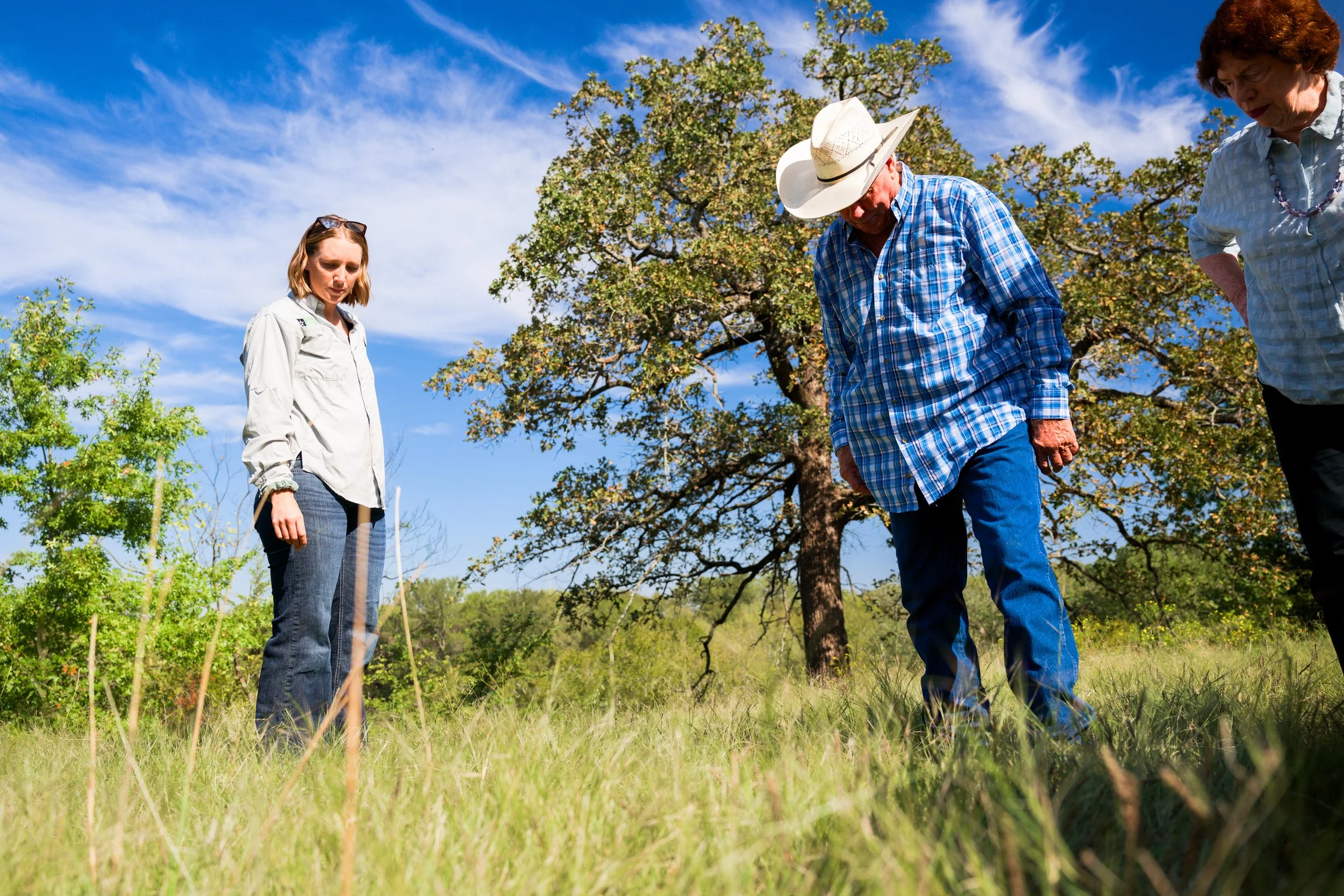
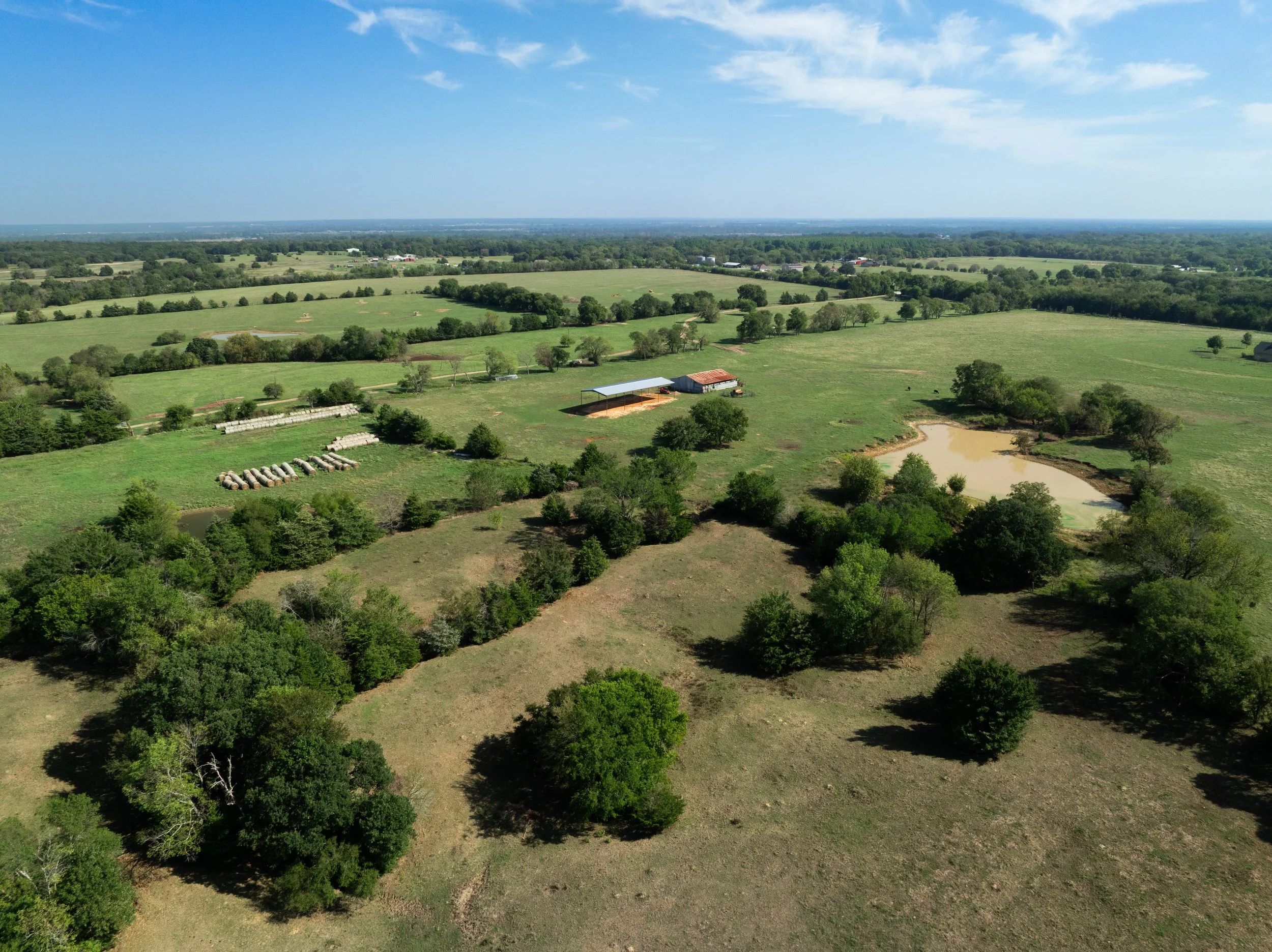
On Jo Lynne Whiting’s ranch in Grayson County, cattle graze on land her family has known for generations, and ponds and creeks provide habitat for birds, deer and other wildlife. It is a landscape increasingly hard to find in this fast-growing corner of North Texas, and one Jo Lynne is determined to protect.
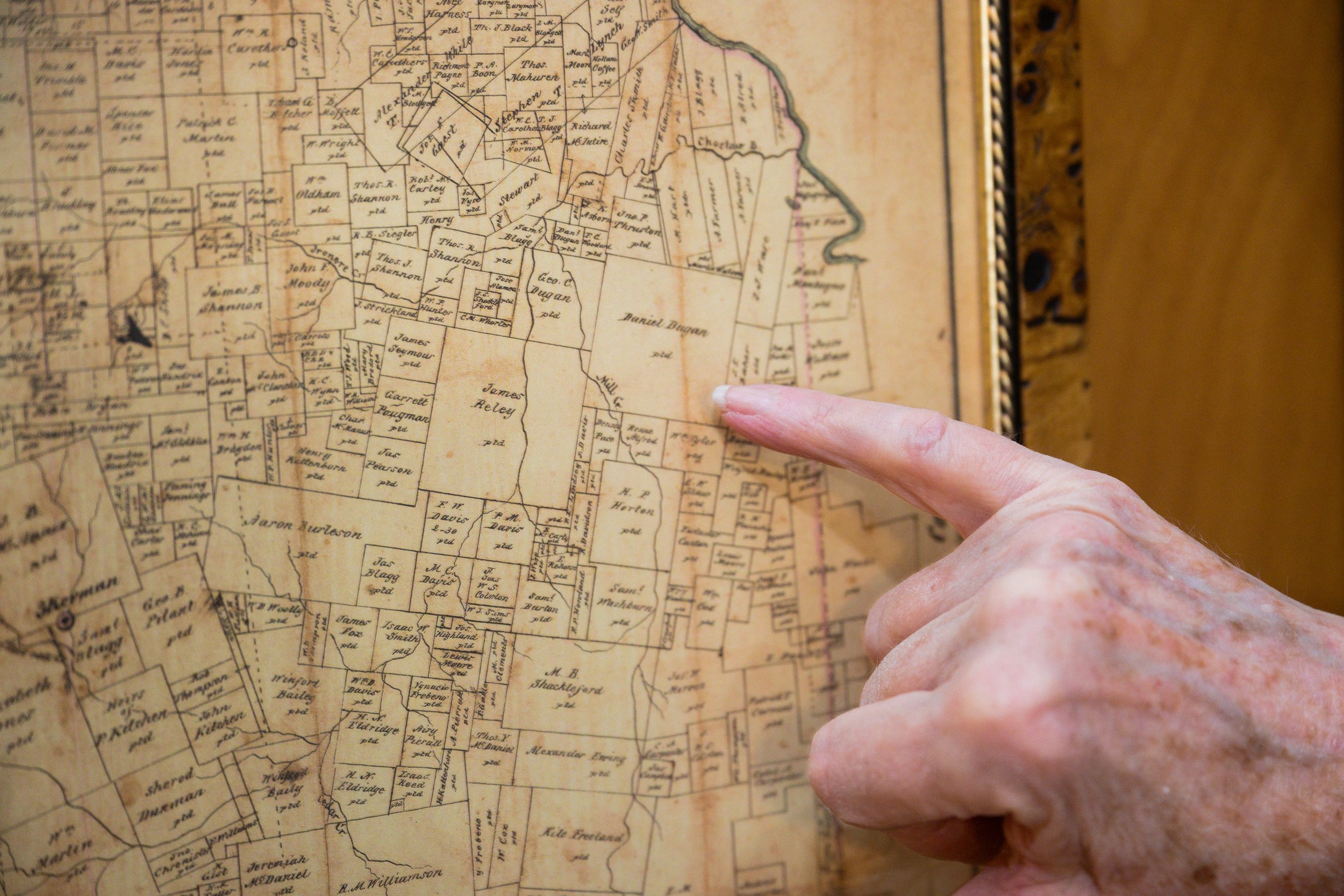
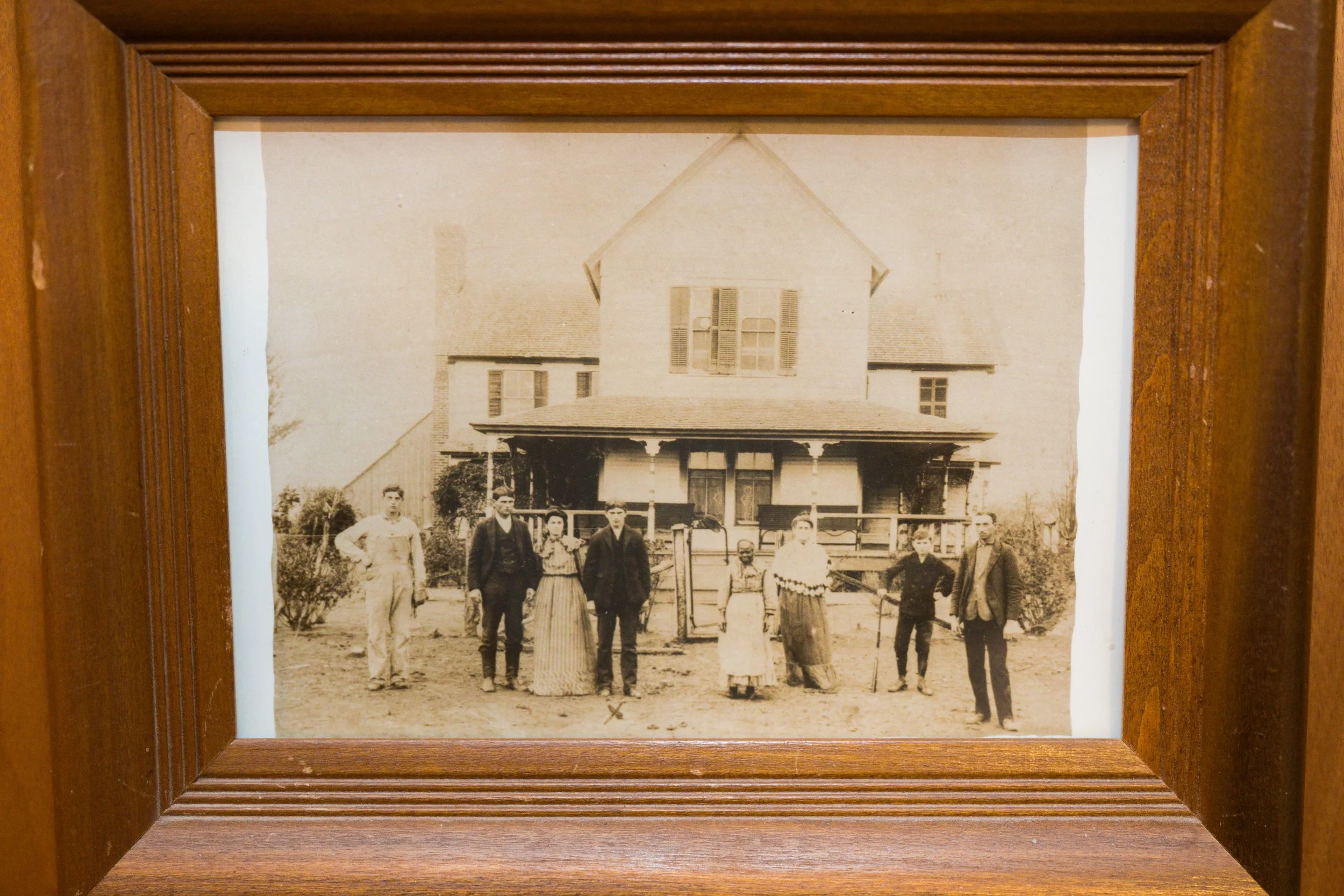
Her family’s connection to this land reaches back nearly two centuries. When Daniel Dugan arrived in North Texas in 1836, Texas had just won its independence. Two years later, Jo Lynne’s great-great-great-grandfather obtained a land grant from the Republic of Texas near what is now Bells in Grayson County. Nearly 190 years later, that land is still in the family.
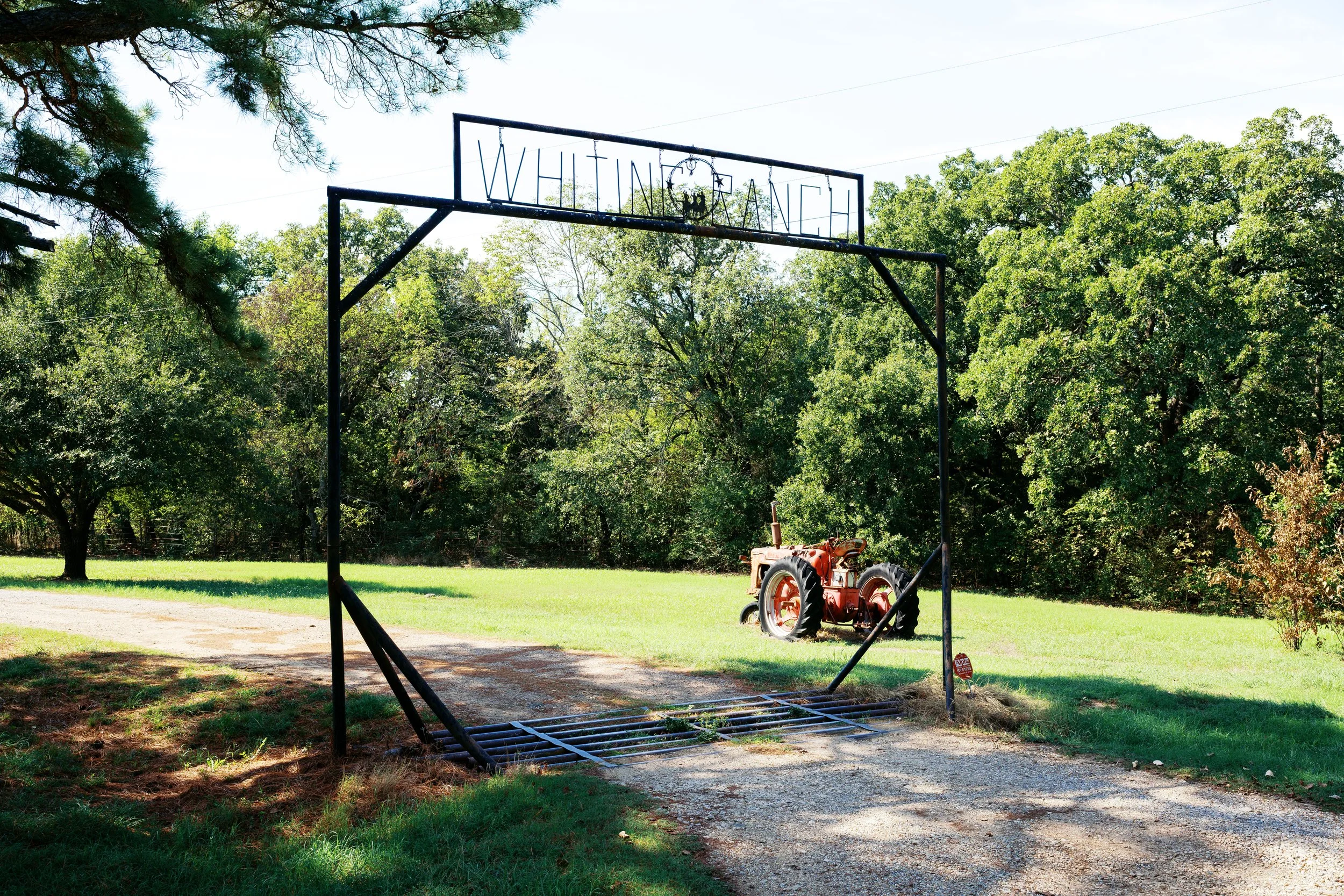
For Jo Lynne, protecting the future of that extraordinary legacy became both a responsibility and an opportunity. Her 355-acre Whiting Ranch is now protected by a conservation easement with the Texas Agricultural Land Trust (TALT), ensuring that a piece of the family land will remain intact and productive for generations to come.
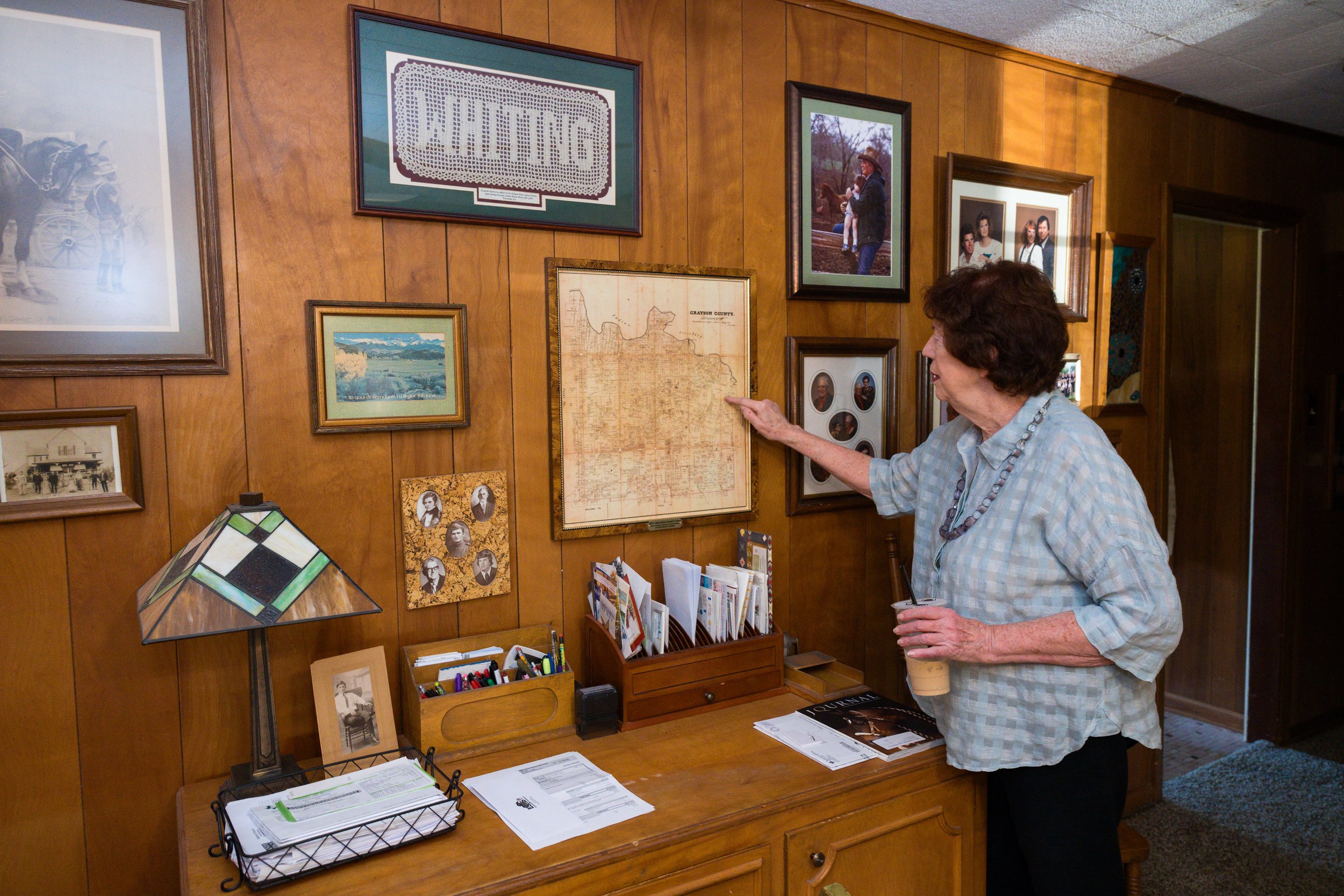
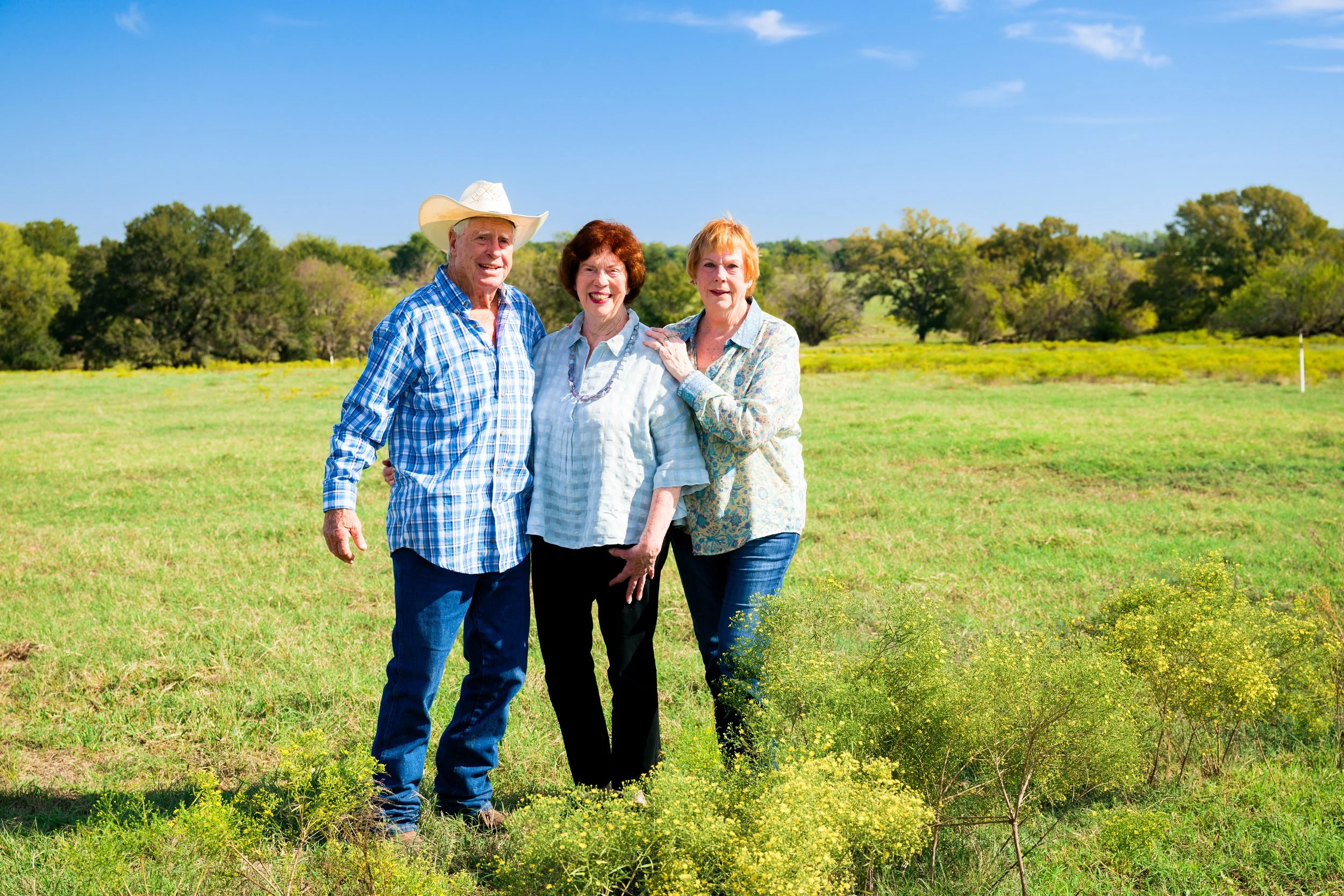
Jo Lynne and her siblings, Steve Whiting and Molly Jan Weger, grew up immersed in life on the land. There were horses to ride, cattle to feed and hay to haul. Steve spent countless hours working alongside his father. Their father didn’t talk much about stewardship. He lived it.
“He was a long ways from preaching it to us,” Steve said.
But the lessons were clear. Steve remembers his father describing the land as “like part of the family.” The siblings also remember him saying that if you take care of the land, the land will take care of you.
When their father’s 1,100 acres eventually passed to his three children, the property was divided roughly equally among them. Jo Lynne inherited the portion that is now protected by the TALT easement.
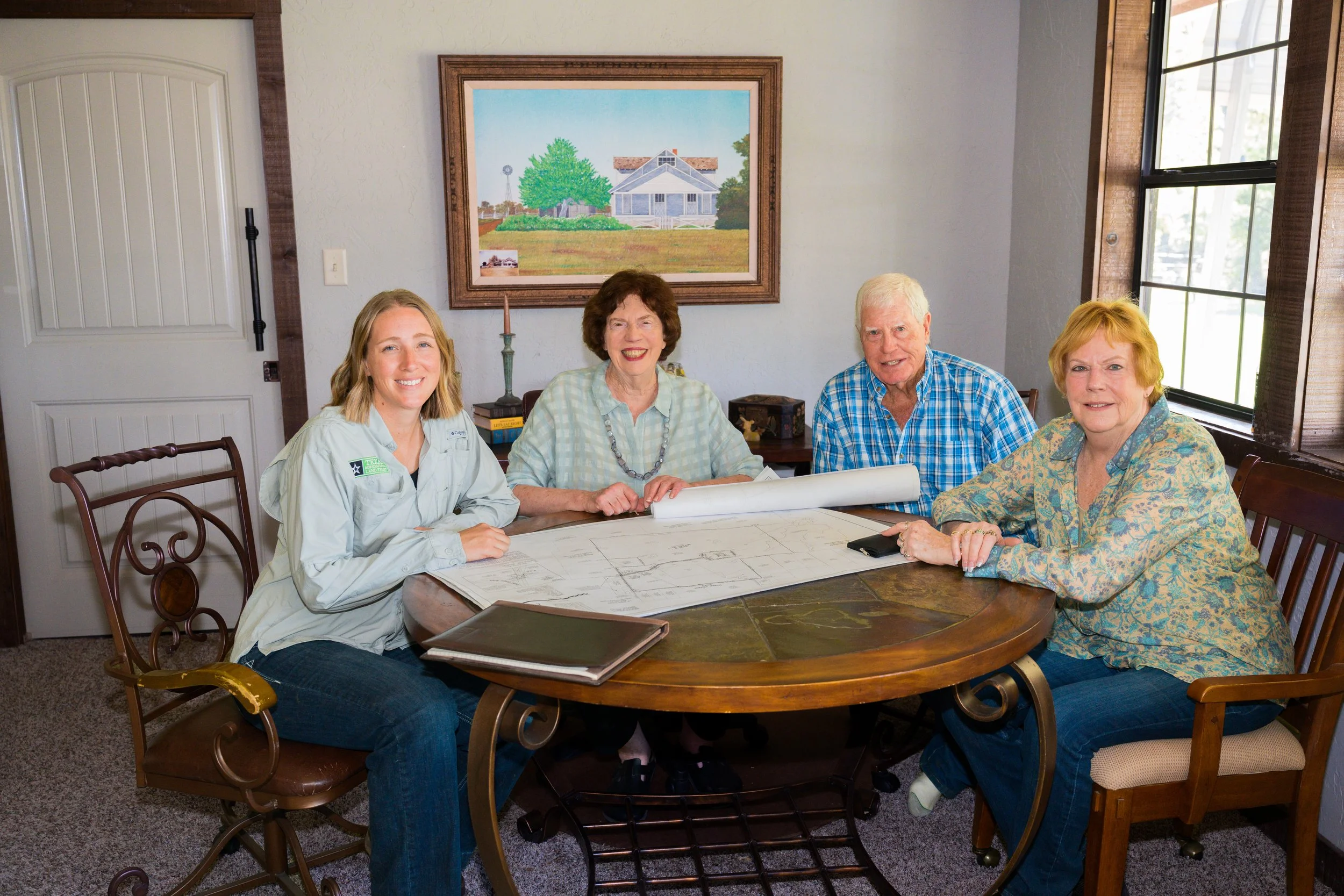
The decision to protect it was hers, but she wanted Steve and Molly Jan involved in the process. Jo Lynne has no children of her own, and from the beginning, she envisioned the land ultimately remaining with the larger Whiting family. Her nieces, nephews and their descendants are part of the future she is planning for.
“I inherited this land from my family, and I want it to go back to my family,” she said.
A conservation easement wasn’t an automatic choice.
Their father had considered the idea years earlier but was reluctant. He didn’t want to “tie the hands” of future generations. Molly Jan initially shared some of those concerns, especially when she thought about the next generations and where they might want to build homes. Steve came at it from a ranching perspective.
“If you can run it like a ranch and just ranch it, that’s all we ever wanted anyway,” he said.
For Jo Lynne, the bigger worry was what could happen to the land over time.
“The reason it makes sense is the fear of fragmentation,” she said.
She had seen how family land can be divided as it passes from one generation to the next. And she could see what was happening beyond the ranch fence. North Texas growth continues to push closer, with subdivisions, ranchettes, chip factories, and the threat of data centers already changing the surrounding landscape.
That made protecting her piece of the family land even more important.
The ranch is also part of the Blackland Prairie ecoregion, where little of the historic native prairie remains. Today, the Whiting Ranch is still a working cattle ranch, with ponds and creeks providing habitat for birds, deer and other wildlife.
Jo Lynne wants to keep it that way, while giving the generations that follow the chance to know the land as she and her siblings have known it.
“One thing that will be unique is to have the undeveloped land that hopefully will still have some of the same spirit,” she said. “A place that kids can run wild.”
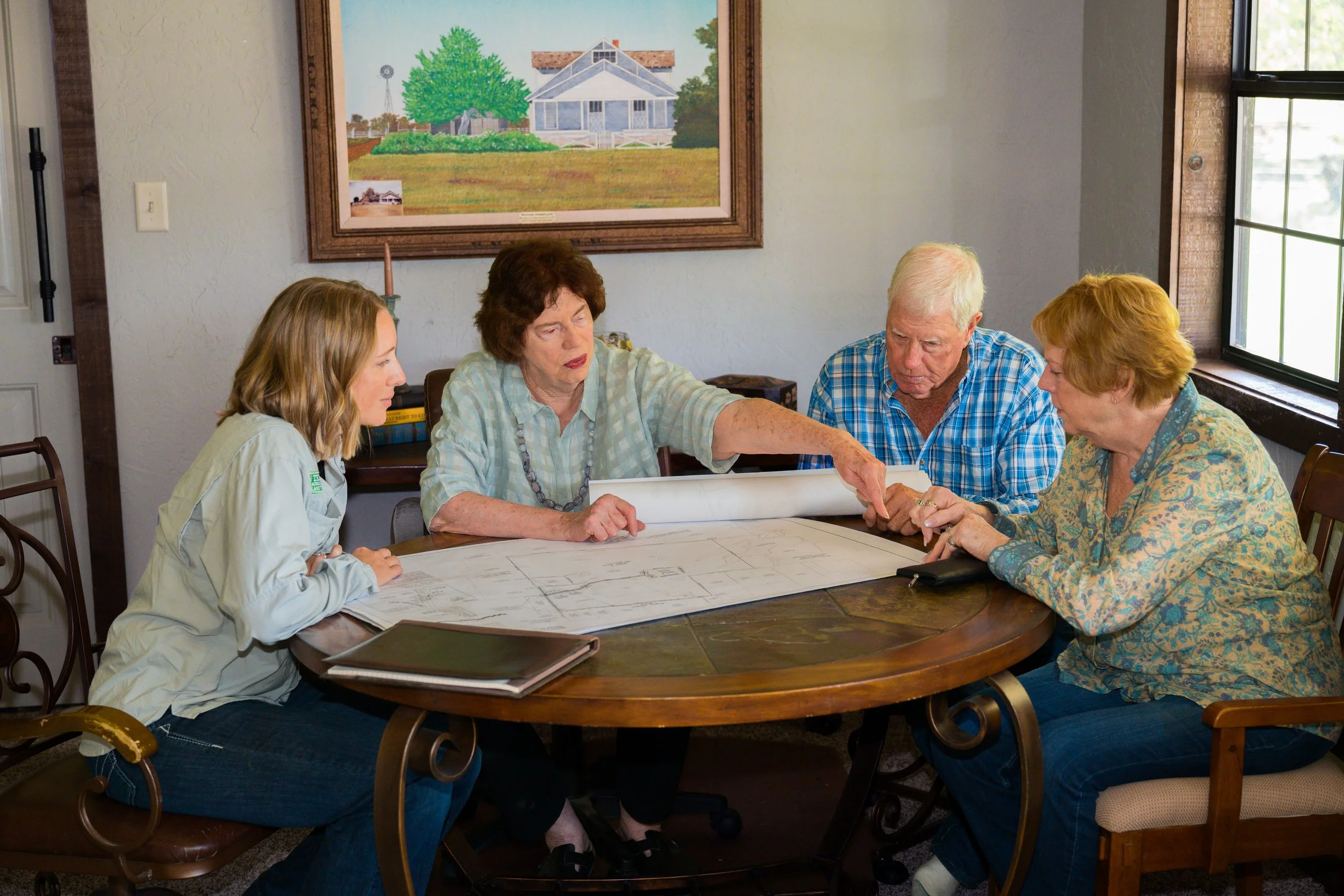
Making that vision a reality required navigating the complexities of a federally funded conservation easement. TALT helped secure significant federal funding through the Natural Resources Conservation Service’s Agricultural Conservation Easement Program-Agricultural Land Easements program. The Whiting Ranch qualified as a Grassland of Special Significance.
Jo Lynne credits TALT’s expertise with helping her navigate the complicated federal process and secure funding that will not only protect the land but also help provide for its future care.
“The part that was a real gift is the Texas Agricultural Land Trust, their knowledge and guiding us through the NRCS grant,” she said.
Jo Lynne initially described the funding to TALT’s Darren Clark as “life changing.” Then she decided there was a better description: “Legacy changing.”
“My intention is to support this land in perpetuity,” she said.
That legacy already reaches well beyond Jo Lynne. Her mother and father, Bettye and J.H. Whiting, gave each grandchild the opportunity to receive 12 acres to build a permanent home on family land, and members of the next generations live on or near the property today. Jo Lynne is now working on a plan that will involve multiple generations of the family in managing her land in the future.
Ask her what she hopes someone standing on the property 100 years from now will see, and Jo Lynne doesn’t hesitate.
She hopes it will be her nieces and nephews, their children and their grandchildren. She hopes they will love the land, understand how to care for it and continue improving it.
Some members of the ninth generation have already been born.
“We want them to love it and protect it,” Jo Lynne said.
And if Steve and Molly Jan have their way, one other thing won’t have changed.
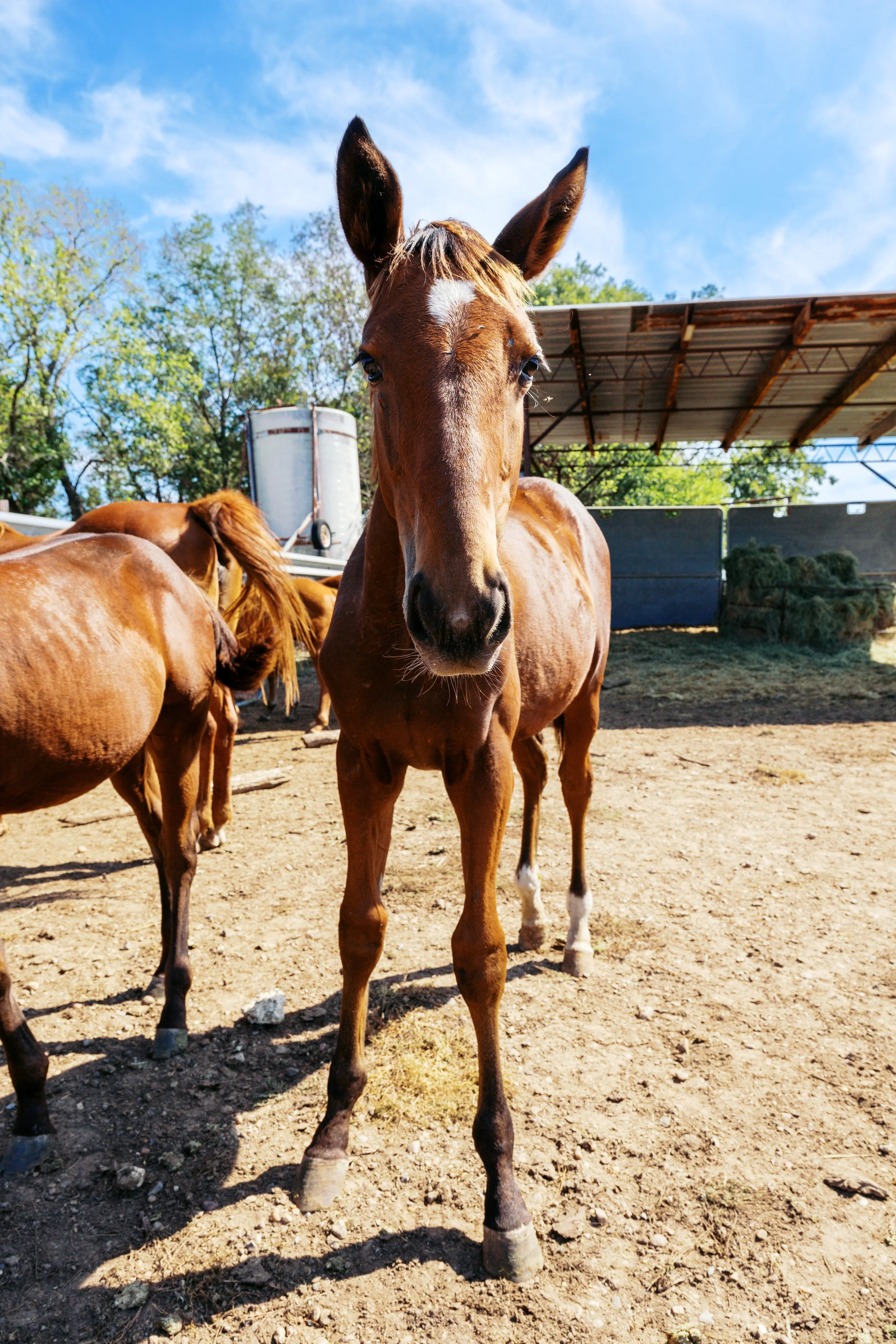
There will still be cattle and horses on the land.
“We all want to see cows running,” Molly Jan said. “We still want it to be a working ranch into the future.”
Most importantly, Jo Lynne wants to see the natural environment preserved. She doesn’t want to see her corner of paradise paved over.